
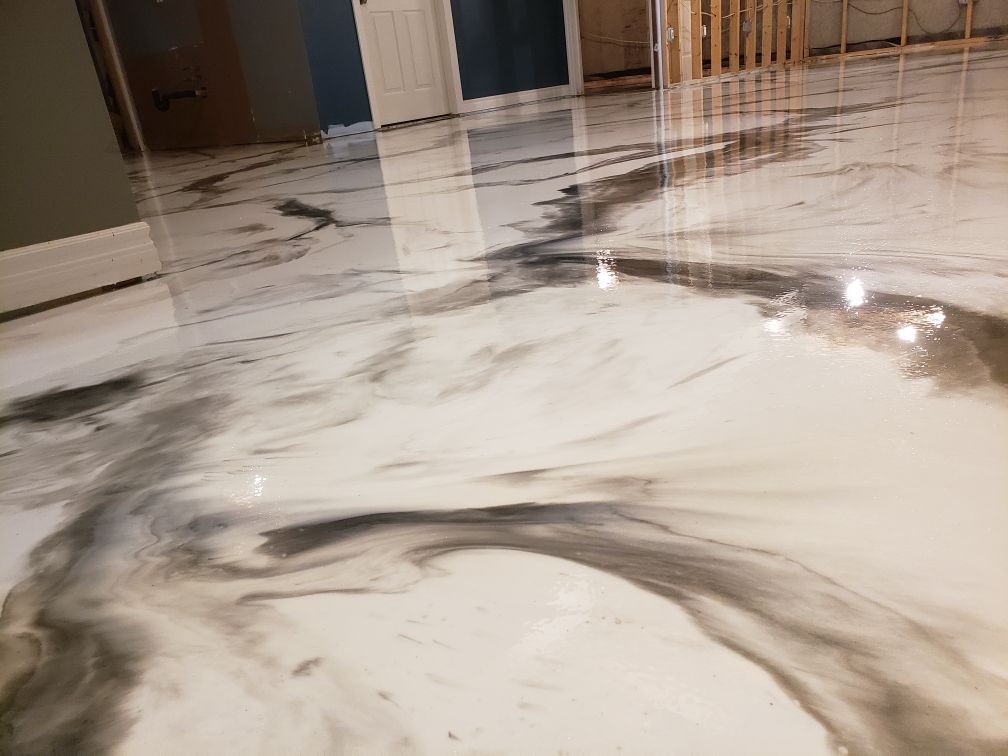
How to Choose the Right Floor Coating for Your Space
Choosing a floor coating is not just about picking a colour or finding a finish that looks good in a photo. The right floor for one space can be the wrong floor for another, even if both areas look similar at first glance.
A garage does not perform like a basement. A porch does not behave like a warehouse. A lunchroom does not need the same system as a factory. Every slab has its own condition, its own level of moisture exposure, and its own daily demands.
That is why choosing the right floor coating starts with the space itself. You have to look at how the floor will be used, what the concrete is like today, what finish you want, and what performance the floor needs over time.
If those factors are matched properly, the finished floor has a much better chance of looking right, performing properly, and lasting for years.
Start with How the Space Will Be Used
The first question should always be simple: what does this floor need to handle every day?
Some spaces are mostly about appearance. Others are all about durability. Some need slip resistance. Others need chemical resistance, moisture control, or a faster return to service.
A residential garage often needs a system that can withstand vehicles, road salt, tire heat, and daily wear. A basement may need moisture mitigation and an easy-to-clean finish that does not trap dampness. A porch or patio may need UV stability and traction in wet conditions. A retail or showroom floor may need a polished appearance that still handles foot traffic. A warehouse or factory may need a heavier-duty build to withstand abrasion, equipment, or operational wear. Agricultural spaces often need hygiene, washdown resistance, and a surface that is easier to clean.
When people choose a floor based solely on appearance, they often miss the more important question: whether the system suits the environment. A beautiful floor that is wrong for the space will usually become a problem later.
The Condition of the Concrete Matters More Than Most People Think
Before you choose a coating, you need to understand the slab underneath it.
Concrete may look solid, but it can still have issues that affect what type of system to install. Cracks, pitting, spalling, dusting, old coatings, glue residue, moisture vapour, surface contamination, or weak top layers all change what the floor needs.
This is one reason floor coating choices should never start with the finish alone. They should start with the concrete.
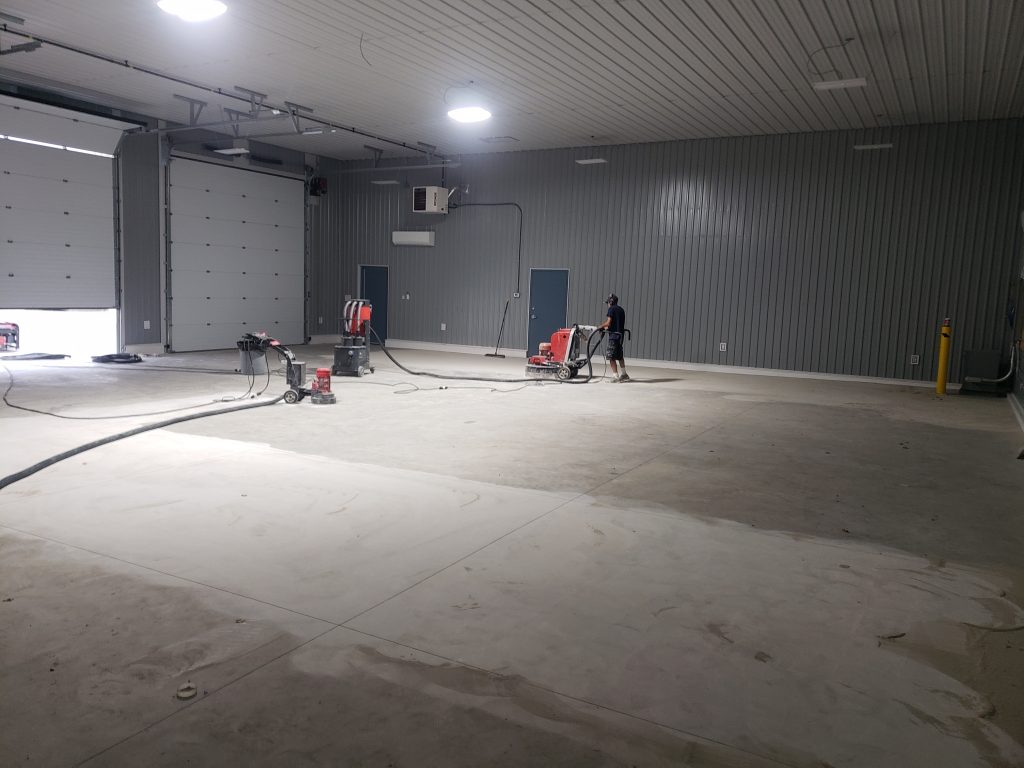
A floor with moisture concerns may need moisture mitigation before the final coating system is installed. A slab with old adhesive may need removal and grinding. A surface with cracks or weak areas may need repair before any decorative or heavy-duty system is considered. If the slab is not ready, the finish choice does not really matter yet.
This is also why concrete preparation and system selection go hand in hand. The best floor coating for your space is not just the one that fits your goals. It is the one that fits your goals and the slab’s condition.
Understand the Main Floor Type Options
Once the space and concrete conditions are understood, the next step is to compare the different floor type options.
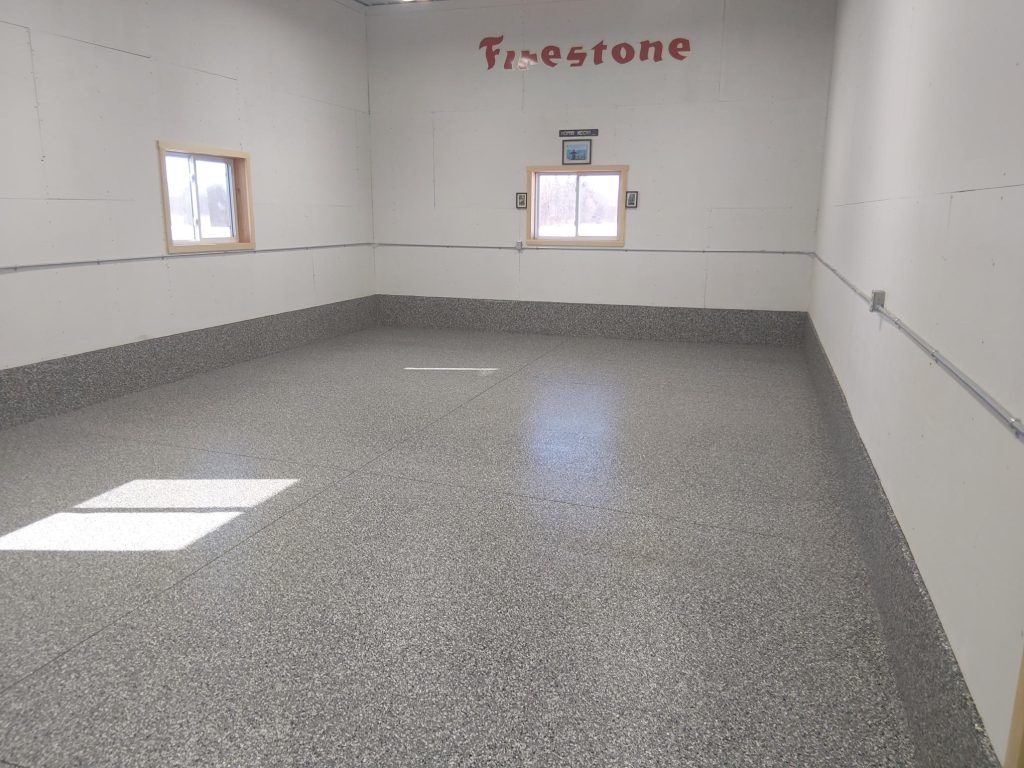
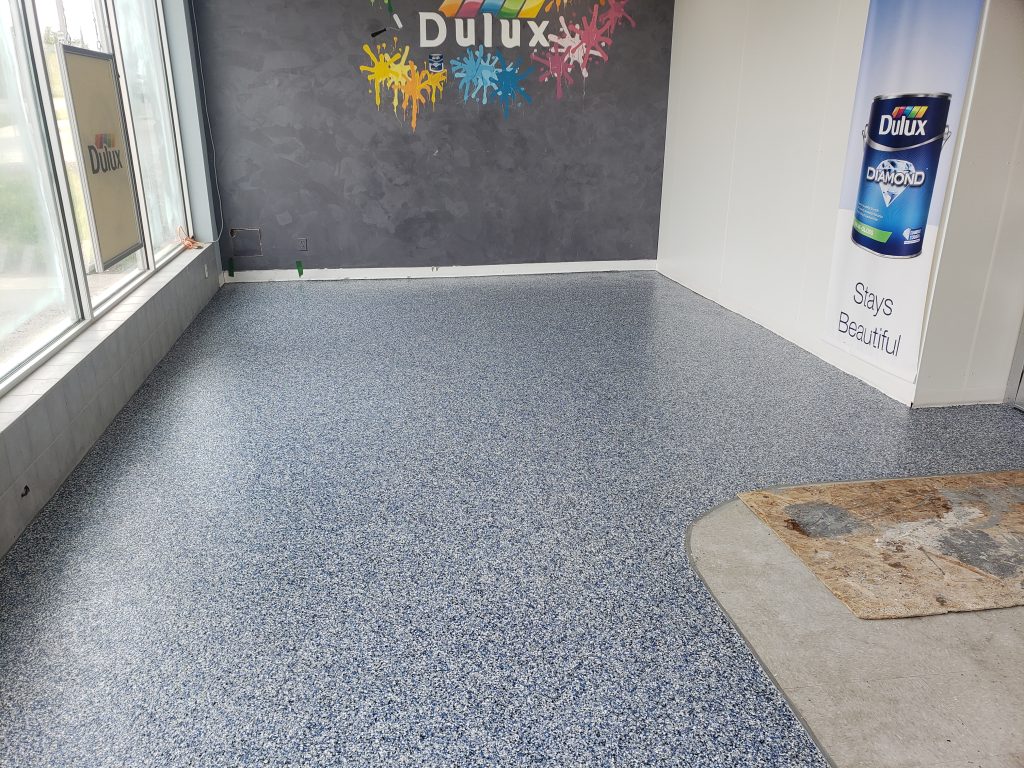
Decorative flake floors are one of the most popular choices because they balance durability, texture, and visual appeal. They work especially well in garages, porches, basements, and many commercial spaces. The flake broadcast adds texture and helps hide minor imperfections in the slab.
Quartz floors are more performance-focused. They are often chosen for commercial, industrial, and higher-wear environments where durability and slip resistance are important. Quartz systems are a strong choice for spaces that need a tougher, more traction-oriented finish.
Metallic epoxy floors are much more decorative. They are usually selected for showrooms, basements, feature spaces, and interiors where the visual impact matters as much as the floor performance. Metallic systems can still be durable, but they are usually chosen for the look first.
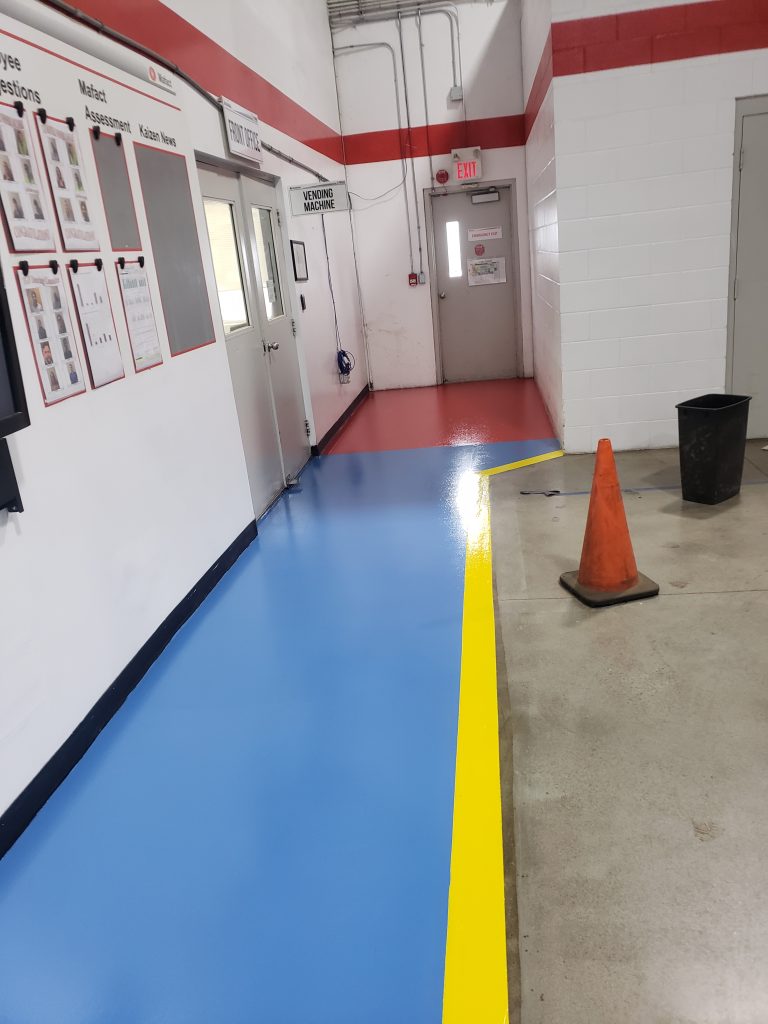
Solid colour epoxy floors provide a clean, simple, seamless finish. They are a good option for utility spaces, commercial rooms, industrial areas, and interiors where a uniform appearance matters more than decorative movement or texture.
Grind-and-seal is different from epoxy floors because it keeps the natural look of the concrete more visible. It is often chosen for people who want a cleaner, more refined concrete surface without installing a thicker decorative broadcast system.
Each of these options can be the right choice in the right environment. The goal is not to decide which one is best in general. The goal is to decide which one is best for the space you actually have.
Think About Moisture, Weather & Exposure Conditions
One of the biggest mistakes people make is choosing a floor system without thinking enough about moisture and environmental exposure.
Basements often deal with moisture and vapour movement below grade. Porches and patios are exposed to rain, snow, freeze-thaw cycles, and direct sunlight. Garages deal with road salt, changing temperatures, and wet vehicles. Commercial washrooms, lunchrooms, and agricultural spaces may require regular cleaning and exposure to moisture. Industrial floors may be exposed to water, fluids, and cleaning chemicals depending on the environment.
Those conditions affect what type of system should be installed and what kind of topcoat or finish makes sense. Some spaces need stronger moisture control. Some need UV stability. Some need slip-resistant texture. Some need a coating that can handle routine washdowns without becoming difficult to maintain.
If the environmental exposure is ignored, even a floor that looks right at the start may not perform well in the long run.
Consider Traffic, Wear & Performance Demands
The amount and type of traffic a floor sees should have a direct impact on the system you choose.
A decorative residential space may only deal with foot traffic and light use. A garage will usually see vehicle traffic, road salt, and regular wear and tear. A commercial floor may deal with carts, customers, furniture movement, and frequent cleaning. A warehouse or factory may see forklifts, pallet movement, abrasion, dropped tools, or heavy equipment. Agricultural spaces may be subject to hoof traffic, machinery, moisture, and constant use.
These differences matter because some floor systems are better suited to heavier wear than others.
Quartz systems are often selected where durability and traction are the priority. High-build epoxy systems may be better in some industrial settings. Decorative systems like metallic may be ideal for a feature area, but not always the best fit for harsher utility environments. A porch coating may need better traction than a basement floor. A lunchroom may need easier cleaning than a workshop.
When choosing the right floor coating for your space, it helps to think beyond the finish and ask what the floor will actually be asked to do every day.
Balance Appearance, Maintenance & Long-Term Expectations
Appearance matters, but it should be balanced with maintenance and long-term expectations.
A high-end decorative finish can completely change the look of a space, but you still have to consider how easy it will be to maintain and whether it fits the environment. A smooth floor may look cleaner visually, but some spaces benefit from additional texture for traction. A more natural concrete look may be the right fit for one project, while another may need a more polished, decorative system.
It also helps to think about the space’s style. Some people want clean neutral finishes. Others want more colour variation. Some want a bold statement floor. Others want something simple and understated.
At the same time, you should consider how the floor will age, how often it will be cleaned, and what wear it will see. The best-looking floor on day one is not always the best floor for five years from now.
The best floor coating for your space should fit both your visual goals and the level of maintenance you are comfortable with.
Why System Selection & Preparation Matter More Than Product Labels
Many people start by asking whether they want epoxy, polyaspartic, urethane, or another named product. That is understandable, but the better question is usually how the full system should be built for the space.
Most successful floors are not just one product. They are a system comprising preparation, repair, base layers, finish type, topcoat, and performance features such as slip resistance or moisture protection.
That means the right answer is not always one material versus another. Often, it is about how those materials work together. A floor may need an epoxy base, a decorative or functional broadcast, and a topcoat chosen for UV stability, abrasion resistance, or cure speed. Another floor may need moisture mitigation first. Another may be better suited for grinding and sealing than a decorative coating system.
This is why the best floor coating choice does not come from product labels alone. It comes from understanding the slab, the environment, the type of wear, and the finish expectations. Then, build the right system around those realities.
Final Thoughts on Choosing the Right Floor Coating
Choosing the right floor coating starts with understanding the space, not just the finish.
The concrete condition matters. Moisture matters. Traffic matters. The environment matters. The look you want matters too, but it has to be balanced with how the floor will actually perform over time.
Some spaces are better suited to decorative flakes. Some need quartz. Some are ideal for metallic or solid colour epoxy. Some may be better served by the grind-and-seal method. In other cases, the biggest factor is not the finish at all, but the preparation, moisture control, or system build required beneath it.
When the floor is chosen based on how the space is used, the final result is usually better in every way. It looks better, performs better, and holds up longer.
If you are trying to choose the right floor coating for your space, the best place to start is with the slab, the environment, and the real demands. Once those are clear, the right system becomes much easier to identify.
We Do Epoxy!
View More Blog Posts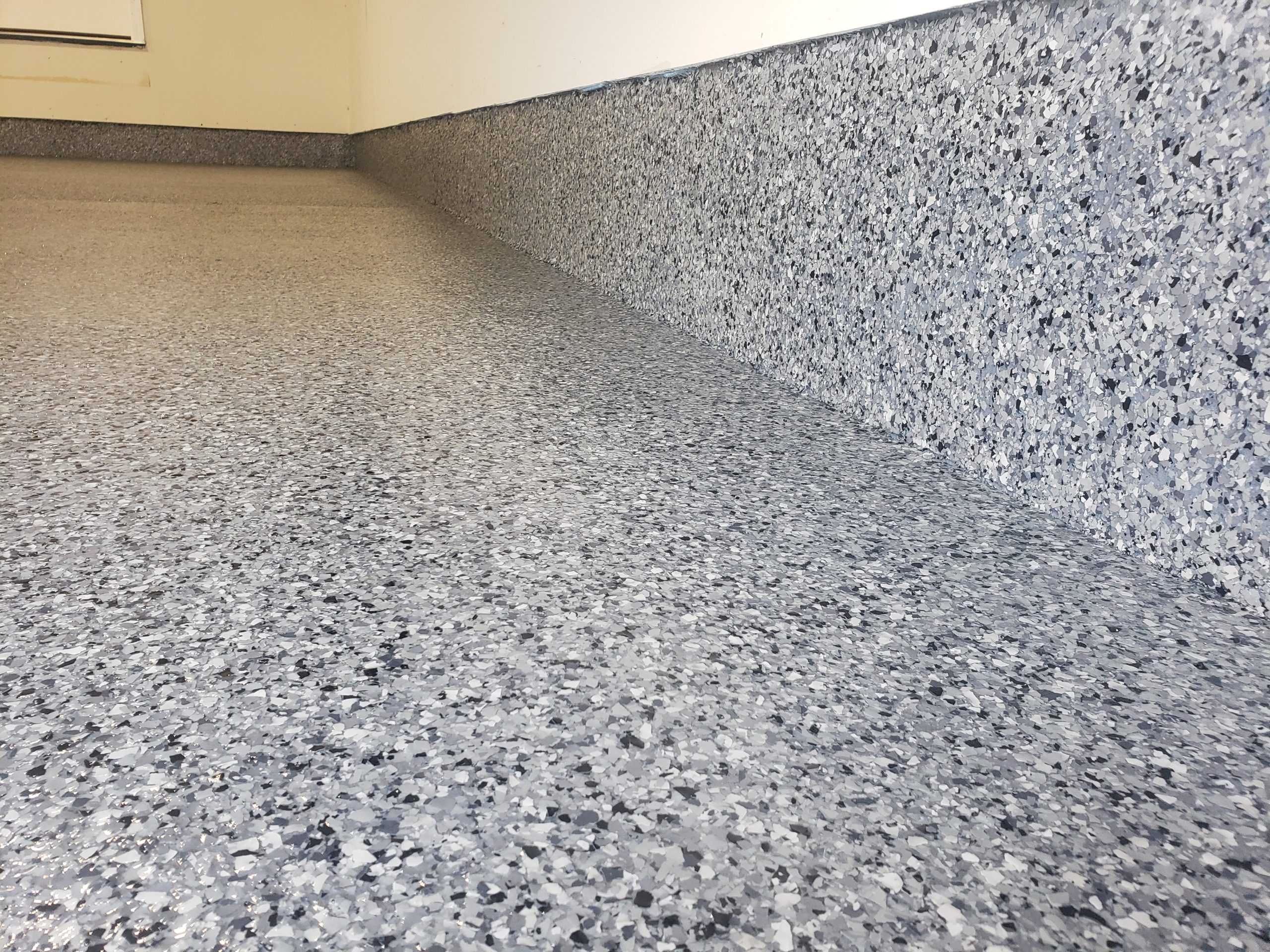
The railway city epoxy experience
We are proud of the relationships we build just as much as the floors we install. See what clients are saying about their experience with Railway City Epoxy.