
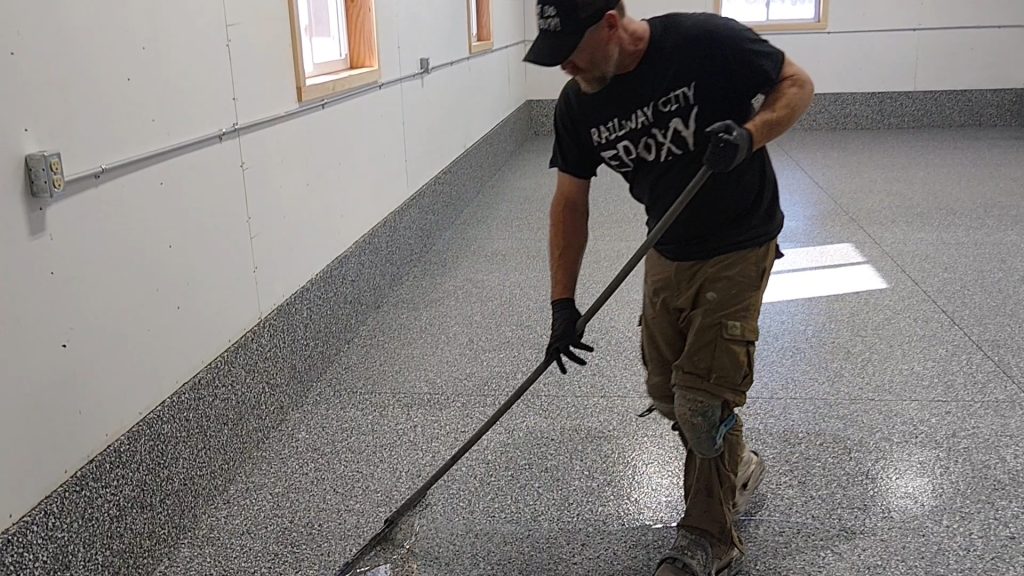
Understanding Concrete Before Floor Coatings
Concrete is often treated like a simple building material. It looks solid, permanent, and ready for whatever comes next. But when it comes to floor coatings, that assumption causes many problems.
Before any coating system goes down, the concrete underneath has to be understood first.
That is because concrete is not just a hard gray slab. It is a porous surface that changes over time. It absorbs moisture, reacts to temperature swings, develops cracks, wears down under traffic, and holds onto contamination that can affect how a floor coating performs. What looks fine on the surface may still have issues beneath the surface that need to be addressed before applying coatings.
Understanding concrete before floor coatings is one of the most important parts of getting a floor that lasts. Whether the project is a garage, basement, porch, commercial space, warehouse, or agricultural facility, the condition of the slab directly impacts adhesion, durability, appearance, and long-term performance.
What Concrete Actually Is
Concrete is made from a combination of cement, water, sand, and aggregate. Once mixed and placed, it hardens into a durable structural surface. That sounds straightforward, but concrete is far more complex than it looks.
Every slab has its own history. The mix design may be different. The finishing process may have been different. The slab may have cured well or unevenly. It may have been exposed to salt, moisture, oils, cleaning chemicals, or years of wear. Two floors can sit side by side and still behave differently once coating work begins.
That matters because floor coatings do not perform based only on the coating product itself. They perform based on how well that product bonds to the slab.
If the slab is weak, dirty, overly smooth, contaminated, cracked, or holding moisture, the coating system has to fight against those issues from day one.
Why Concrete Is Porous
One of the biggest misconceptions about concrete is that it is completely solid. It is not. Concrete is porous, which means it contains tiny capillaries and openings that allow moisture and other substances to move through it.
That porosity is one of the main reasons concrete has to be taken seriously before any coating is installed.
Moisture vapour can travel up through the slab. Oils can soak into the surface. Dirt, salts, and chemical residue can settle into the pores. Old sealers and previous coatings can leave behind contamination that interferes with adhesion.
This is especially important in spaces such as basements, garages, porches, commercial washrooms, food-related areas, and industrial settings, where moisture or contamination is common.
A floor may look dry to the eye and still have moisture issues. A slab may feel clean but still hold contaminants that affect how a coating bonds. That is why proper surface evaluation and concrete surface preparation are so important to the process.
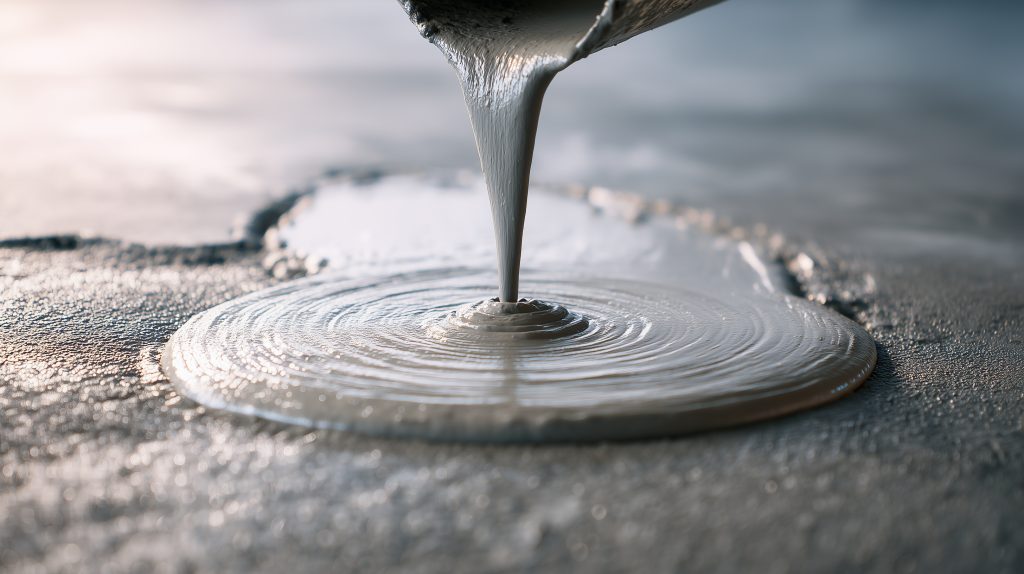
How Concrete Breaks Down Over Time
Concrete is durable, but it does not stay unchanged forever. Over time, slabs begin to show wear that affects both appearance and performance.
Cracks are one of the most obvious issues. Some are minor surface cracks, while others point to movement or stress within the slab. Pitting is another common problem, especially where concrete has been exposed to salt, moisture, or ongoing wear. Spalling happens when the surface begins to break away, leaving rough, damaged areas behind.
Dusting is another issue that people often underestimate. A dusting slab sheds fine concrete particles as the surface wears down. This not only makes the area harder to clean, but it can also signal that the top layer of the concrete is weak.
Joint wear is common in heavier-use spaces. Over time, joints can chip, break down, or open up. In industrial or commercial environments, repeated traffic can worsen those areas.
These are not just cosmetic issues. They affect how a coating system bonds, how the finished floor looks, and how long the system is likely to last.
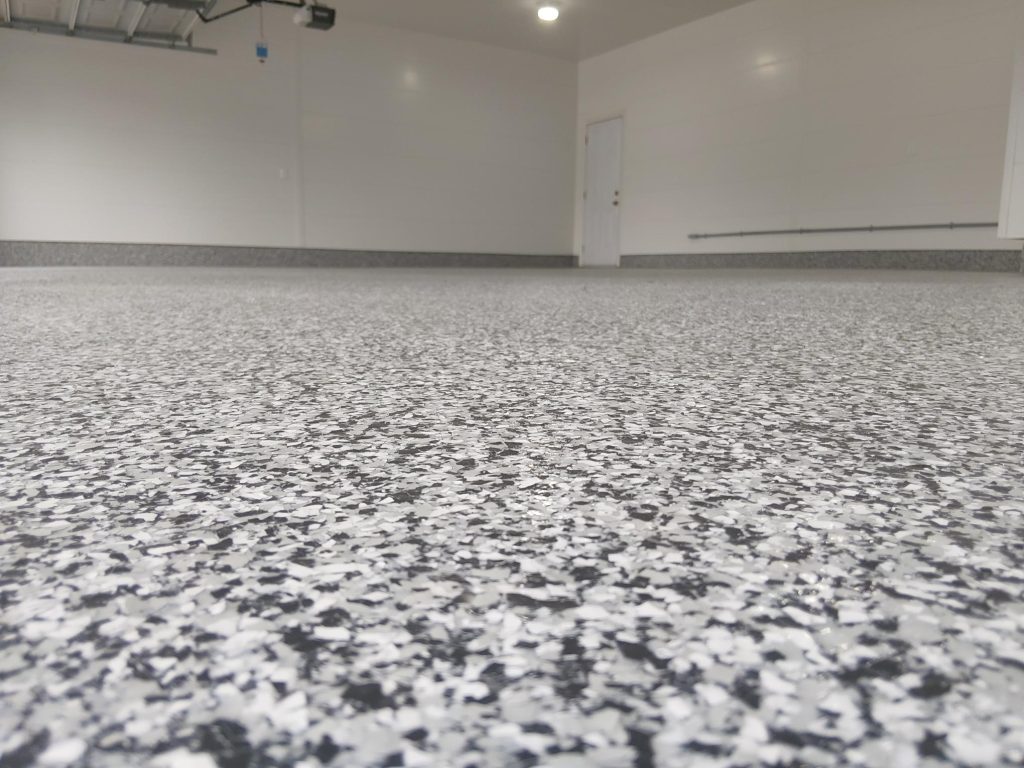
How Ontario Conditions Affect Concrete
In Ontario, concrete takes a lot of abuse.
Freeze-thaw cycles are a major factor, especially on exterior slabs and garage floors. Moisture gets into the concrete, freezes, expands, and puts pressure on the surface. Over time, this can lead to cracking, scaling, and general surface breakdown.
Road salt makes things worse. In garages and entry areas, salt gets tracked onto the slab and works its way into the concrete. That can lead to surface deterioration and pitting, especially if the slab has been left untreated or protected with a low-quality finish.
Porches and patios are exposed to direct moisture, snow, rain, and changing temperatures. Basements deal with below-grade moisture and vapour movement. Commercial and industrial slabs may be exposed to cleaning chemicals, abrasion, and constant traffic, in addition to the usual environmental stress.
This is why a floor coating system that works well in one space may not be the right choice in another. Ontario conditions place real demands on concrete, and the slab must be understood before a coating system can be chosen with confidence.
Why Concrete Surface Preparation Matters
If there is one thing that determines whether a floor coating performs properly, it is preparation.
Concrete surface preparation is what makes the slab ready to accept the new system. It is where contaminants are removed, weak areas are corrected, cracks are treated, and the proper profile is created for bond strength.
A coating should not be applied over dust, old adhesive, surface contamination, failing coatings, weak concrete, or untreated cracks. If that happens, the coating may look good at first, but it often will not perform the way it should over time.
Diamond grinding is commonly used to open the concrete, remove contaminants, and create the proper surface profile. Shot blasting may be used when a stronger profile is required. Crack repair, pit repair, coating removal, and moisture mitigation may all be part of the work, depending on the condition of the slab.
This is also one of the main reasons why epoxy floors fail. In many cases, the issue is not the product itself. The issue is that the concrete was never prepared properly to receive it.
Understanding concrete before floor coatings means recognizing that the visible finish is only as good as the slab underneath it.
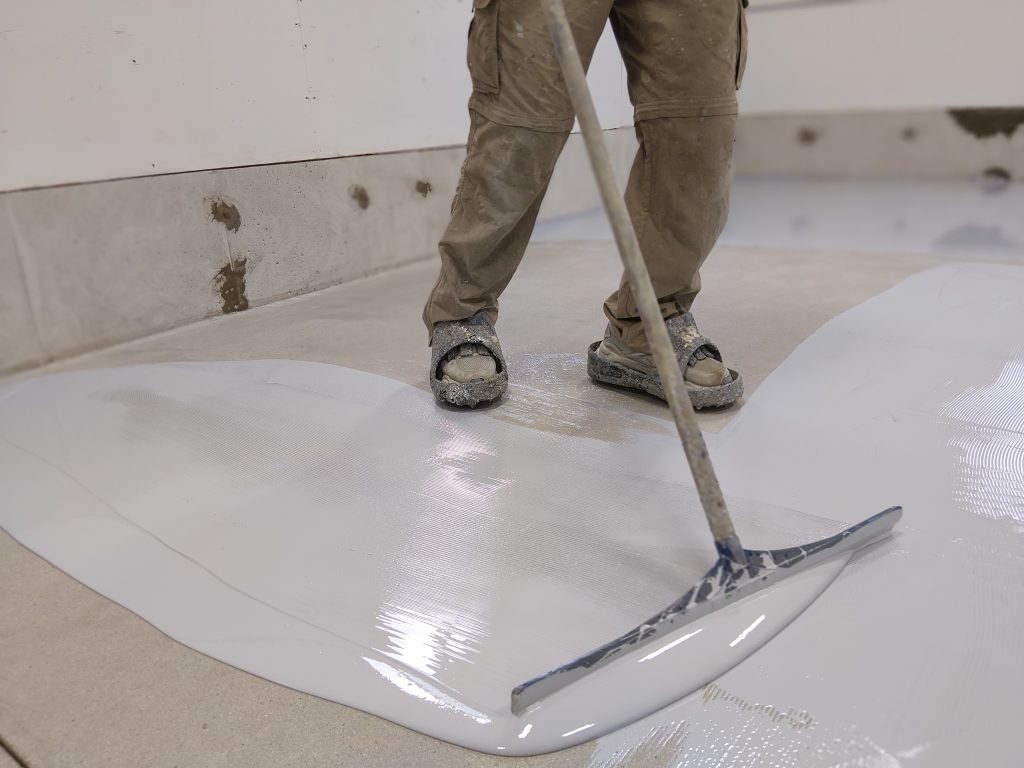
Not Every Concrete Floor Needs the Same Coating
Once you understand the slab, the next step is understanding that not every floor needs the same type of system.
A garage floor often needs strong adhesion, durability, and resistance to wear from vehicles, salt, and daily use. A basement may need moisture mitigation and a finish that is easier to clean than bare concrete or moisture-trapping flooring. A porch may need UV stability and slip resistance. A commercial washroom or lunchroom may need a seamless, easy-to-clean finish. A warehouse or factory may need a more heavy-duty build that can handle traffic, abrasion, or chemical exposure.
The floor type matters too.
Decorative flake systems are often chosen for texture, appearance, and slip resistance. Quartz systems are often selected where extra durability and traction are needed. Metallic floors are more decorative and are usually chosen for high-end visual impact. Solid colour floors provide a clean, uniform finish. Grind-and-seal floors offer a more natural concrete look with improved cleanliness and dust control.
The right choice depends on the slab, the environment, and the way the space will be used. That is why system selection should always come after the concrete is evaluated, not before.
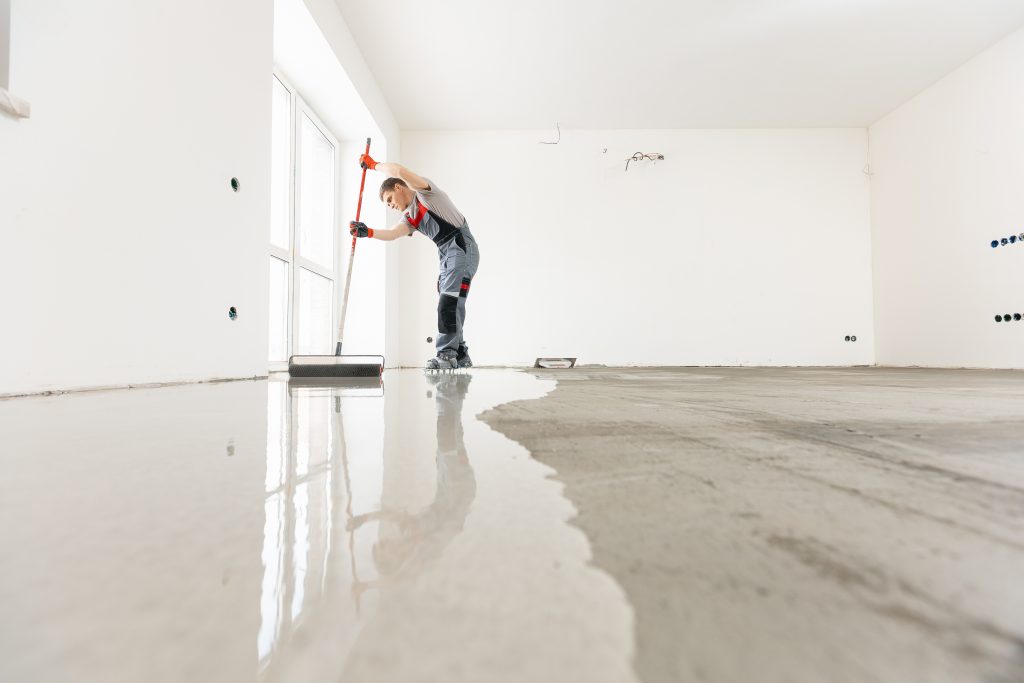
How to Tell if a Concrete Floor Is Ready for Coating
If you are considering coating a floor, there are a few signs that the slab needs closer attention before moving forward.
Look for visible cracks, pits, or surface damage. Watch for dusting. Check for old coatings, glue, or paint. Think about whether the floor has had moisture issues in the past. Consider whether the slab feels uneven or has signs of previous repair work.
On exterior slabs, look for salt damage, scaling, or worn edges. In basements, consider dampness, musty smells, or prior moisture issues. In garages, look for pitting, old coating failure, or staining from automotive use.
Even if the floor looks mostly fine, surface preparation may still be needed to create the right profile for adhesion. The cleaner and stronger the slab is, the better the coating system can perform.
Final Thoughts on Understanding Concrete Before Floor Coatings
Concrete is the foundation of every floor coating project, and it deserves more attention than it usually gets.
It is porous. It changes over time. It reacts to moisture, traffic, temperature, contamination, and wear. What happens below the surface affects everything above it.
Understanding concrete before floor coatings helps explain why preparation matters, why some floors fail, and why the right system depends on more than just colour or finish. Once the slab is understood, the right coating system can be chosen with far more confidence.
If you are planning to coat a garage, basement, porch, commercial floor, industrial slab, or agricultural space, the first step is not picking a finish. The first step is understanding the concrete.
We Do Epoxy!
View More Blog Posts
The railway city epoxy experience
We are proud of the relationships we build just as much as the floors we install. See what clients are saying about their experience with Railway City Epoxy.