
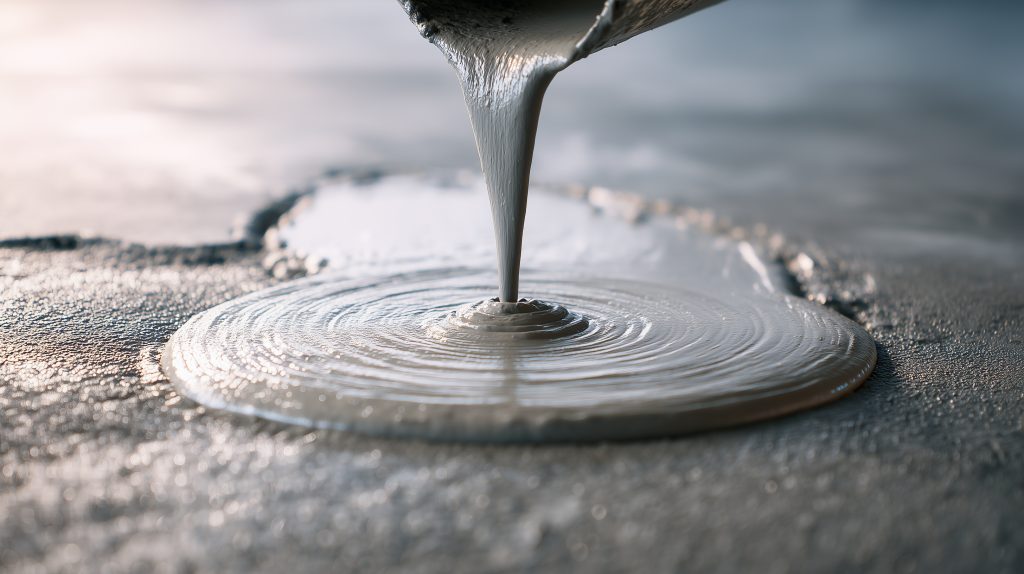
Why Concrete Surface Preparation Is Critical Before Any Floor Coating
When people think about a new floor coating, they usually focus on the finish. They picture the colour, the texture, the shine, or how clean the space will look when the project is complete. What most people do not think about is the step that decides whether that floor will actually last.
That step is concrete surface preparation.
Before any coating system is installed, the concrete beneath it must be prepared. If that does not happen properly, the finish may still look good at first, but it will often not perform as it should over time. Coatings can peel, bubble, wear early, or fail in isolated areas, even when the product itself is good.
Why concrete surface preparation matters before any floor coating comes down to one thing: bond strength. A coating system has to adhere to the slab beneath it. If the surface is weak, contaminated, cracked, overly smooth, or holding moisture, the coating is starting from a bad foundation. That is why preparation is not just one step in the process. It is the foundation of the process.
What Concrete Surface Preparation Actually Means
Concrete surface preparation is the process of inspecting, cleaning, profiling, repairing, and correcting the slab before a coating system goes down.
That can include diamond grinding, shot blasting, crack repair, spall repair, adhesive removal, coating removal, moisture mitigation, and detailed edge work, depending on the floor and the system being installed.
The goal is not just to clean the floor. The goal is to create the right surface condition for adhesion and long-term performance.
A properly prepared slab should be:
- Structurally sound
- Free from contamination
- Repaired where needed
- Properly profiled for bond strength
- Suitable for the specific coating system being used
When people skip this part or reduce it to a quick cleanup, they are taking the biggest risk in the entire project.
Why Cleaning Alone Is Not Enough
A common misunderstanding is that if a floor looks clean, it is ready for coating. That is rarely true.
Sweeping or vacuuming removes surface dirt, but it does not address deeper issues like:
- Embedded oil or grease
- Old glue or mastic
- Weak concrete at the surface
- Smooth or sealed areas that block adhesion
- Previous coatings that are partially bonded
- Moisture conditions inside the slab
This is where professional preparation becomes important. A coating system needs a mechanically prepared surface, not just a visually clean one. The floor has to be opened up so the new material can properly bond to the slab.
That is why methods like diamond grinding and shot blasting matter so much.
The Diamond Grinding Process
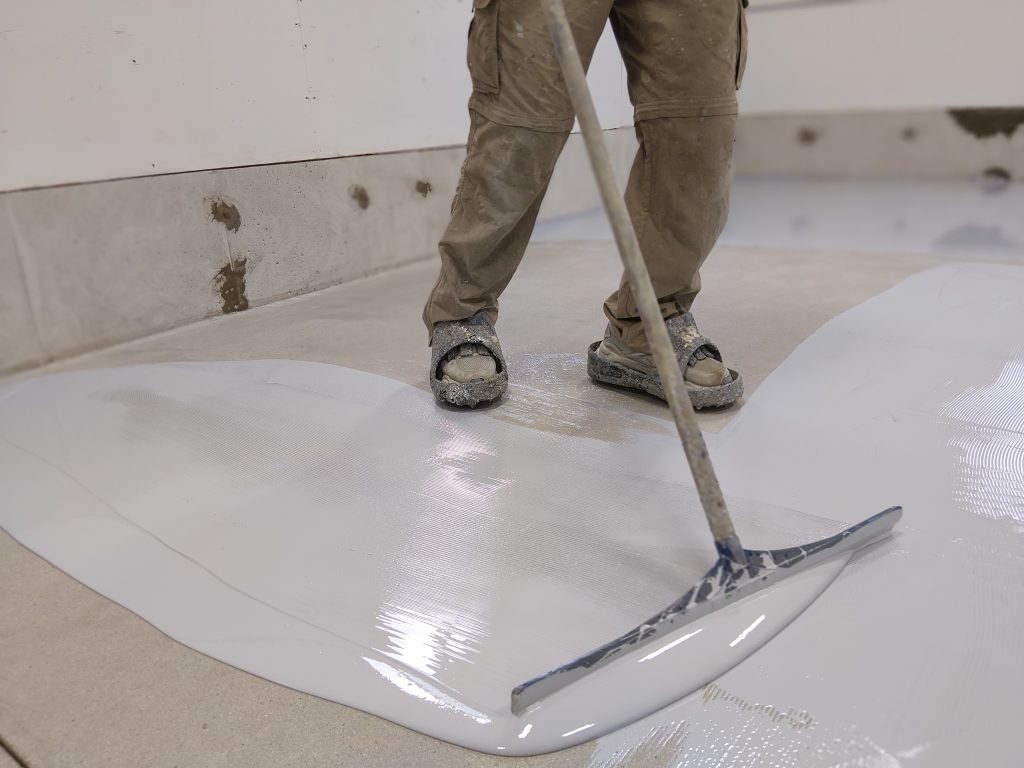
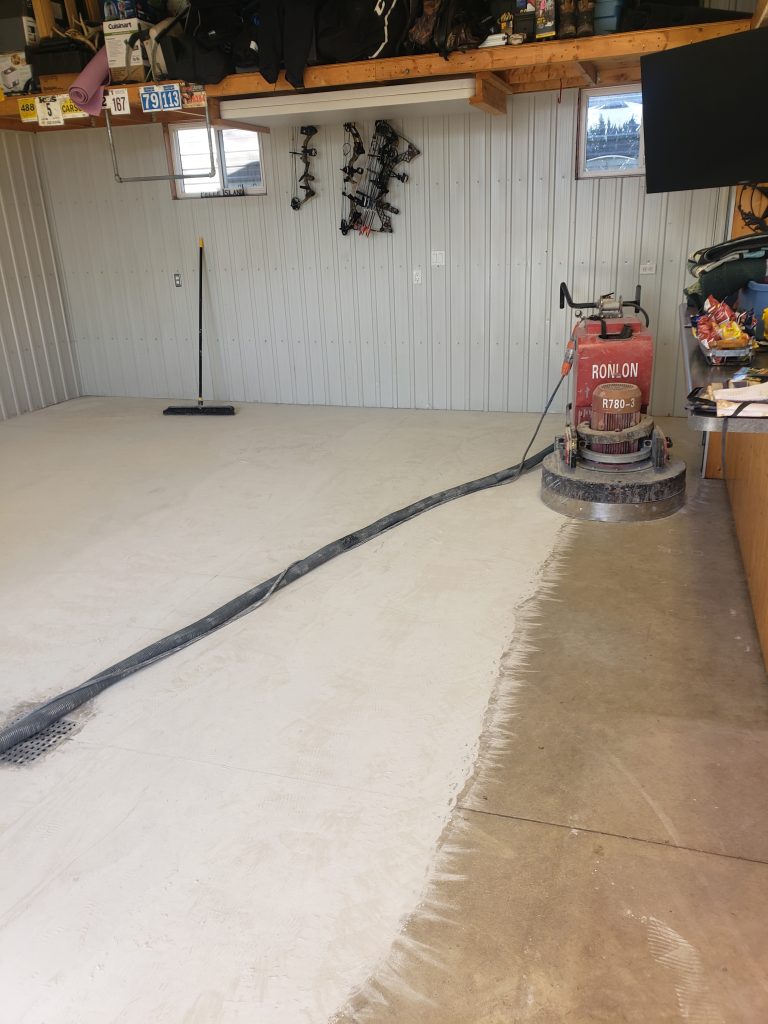
Diamond grinding is one of the most common and most important preparation methods used before concrete floor coatings.
Grinding removes contamination, exposes the slab’s surface, and creates the profile needed for adhesion. It can also help flatten uneven areas, reduce surface irregularities, and reveal problems that need repair before the coating is applied.
For many projects, diamond grinding is what turns an acceptable-looking slab into one that is actually ready.
This matters because coatings do not bond well to surfaces that are too smooth, too weak, or sealed over. Grinding helps expose sound concrete and gives the coating a solid surface to adhere to.
Diamond grinding is especially important in spaces like:
- Garages with old sealers, salt exposure, or pitting
- Basements with previous flooring residue or moisture concerns
- Porches and exterior slabs with surface wear
- Commercial floors with adhesives or traffic staining
- Industrial spaces where durability depends on proper profiling
Without grinding, the coating may only bond to contamination or a weak top layer rather than to the concrete itself.
The Shot Blasting Technique
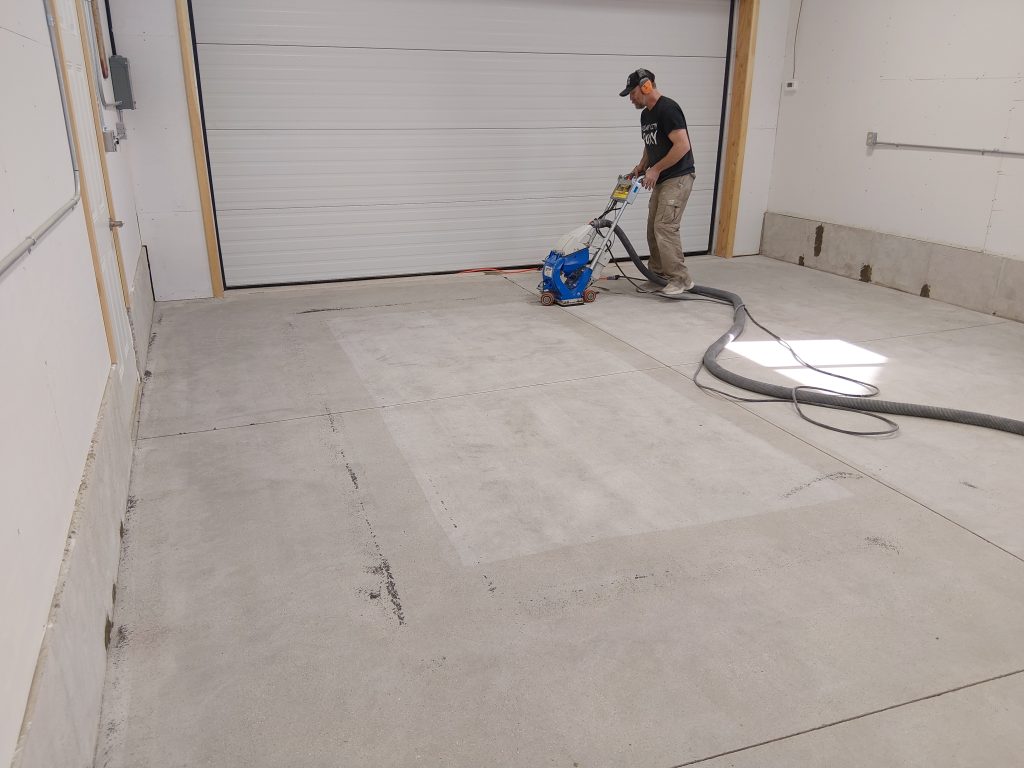
Shot blasting is another important preparation method, especially when a stronger or more aggressive surface profile is required.
Where diamond grinding opens and refines the slab, shot blasting can create a deeper mechanical profile. This is especially useful before certain high-performance systems, including some moisture mitigation systems and heavier-duty industrial applications.
Shot blasting also helps remove weaker surface material and prepare the slab for coatings that require a specific concrete surface profile.
This matters because not all floors need the same type of preparation. The right prep method depends on the condition of the concrete and the type of coating system being installed.
That is one more reason why preparation should never be treated like a generic step. The slab and the system have to match.
Why Crack Repair Is Essential Before Coating
Cracks are often treated like a cosmetic issue, but they affect much more than appearance.
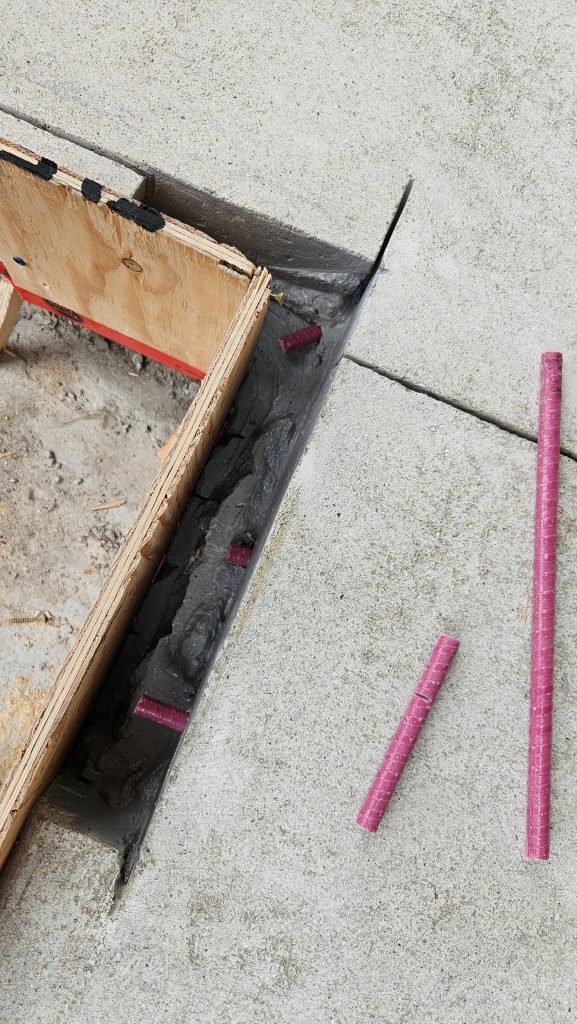
Before a floor is coated, cracks must be evaluated and properly addressed. The same goes for pits, spalls, damaged joints, and weak areas in the slab. If those issues are left untreated, they can show through the finish, affect bond strength, or continue to break down beneath the coating.
This is especially important on smoother systems such as solid-colour epoxy flooring or metallic epoxy floors, where surface defects are easier to see. It also matters in flake and quartz systems, because even if the texture helps hide minor imperfections, the slab still needs to be stable underneath.
Crack repair before epoxy or any other floor coating is not just about making the floor look cleaner. It is about creating a sound base that can actually support the system being installed.
Moisture Is One of the Biggest Hidden Problems
One of the most overlooked reasons why floor coatings fail is moisture in concrete.
A slab may look dry, but moisture vapour can still be moving through it from below. That is especially common in basements, ground-level spaces, and other slabs that sit directly on grade.
If moisture is not identified and addressed properly, it can lead to:
- Garages with old sealers, salt exposure, or pitting
- Basements with previous flooring residue or moisture concerns
- Porches and exterior slabs with surface wear
- Commercial floors with adhesives or traffic staining
- Industrial spaces where durability depends on proper profiling
That is why some projects need more than grinding and repair. They may also need moisture mitigation before the finished floor system can be installed.
Why concrete surface preparation matters before any floor coating is directly tied to this issue. Surface preparation is not just about texture and cleanliness. It is also about making sure the slab is suitable for the system you are about to place on top of it.
Why DIY Prep Often Falls Short
One of the biggest gaps between a long-lasting floor and a short-lived one is the quality of the preparation.
Many DIY systems focus heavily on the coating itself rather than on what needs to happen before the coating goes down. People are often led to believe that light cleaning or acid etching is enough. In most cases, it is not.
A coating may bond temporarily to a poorly prepared floor, but temporary adhesion is not the same as long-term performance.
Professional preparation matters because it uses the right equipment, repair methods, and processes for the slab. It also gives the installer a chance to identify moisture, damage, contamination, and surface weakness before the finish system is committed.
Final Thoughts on Concrete Surface Preparation
A floor coating is never just about the top layer. It is about the surface beneath and whether that surface has been prepared for long-term performance.
Concrete can hold moisture, contamination, damage, and weakness that are not always obvious at first glance. Without proper preparation, those issues do not disappear. They stay in the slab and often show up later as coating failure.
When the concrete is properly ground, repaired, profiled, cleaned, and corrected, the coating system has the foundation it needs to bond well and last. That is what makes preparation such an important part of every successful floor coating project.
If you are planning to coat a garage, basement, porch, commercial floor, industrial slab, or agricultural space, the finish is only part of the decision. The first question should always be whether the concrete is truly ready for it.
We Do Epoxy!
View More Blog Posts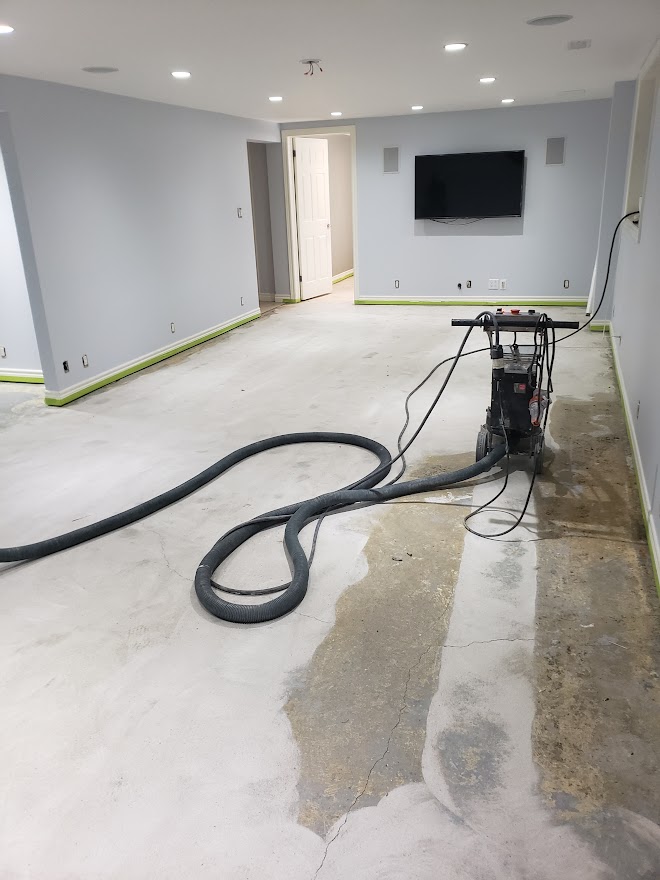
The railway city epoxy experience
We are proud of the relationships we build just as much as the floors we install. See what clients are saying about their experience with Railway City Epoxy.